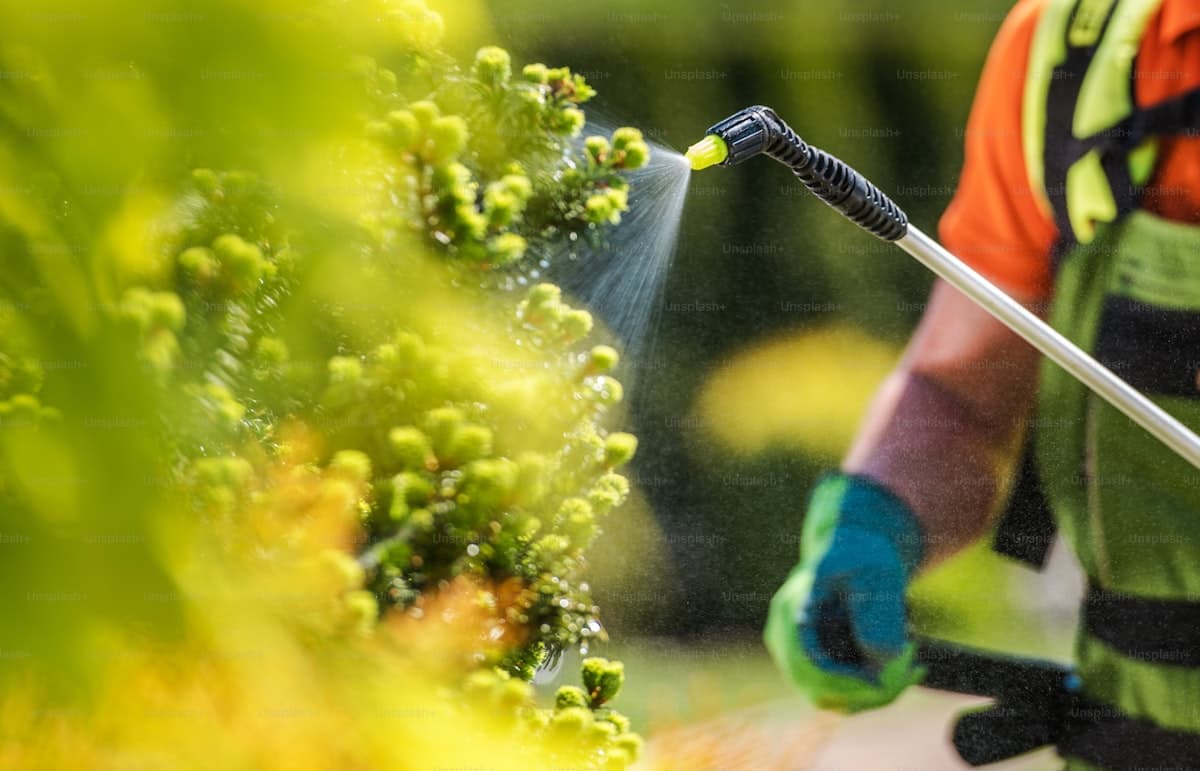
Understanding Weed Killers: Selective vs Non-Selective
The most important thing to understand about weed killers is the difference between selective and non-selective herbicides. Selective herbicides (like Bow and Arrow, Kamba M, or Bin Die) target broadleaf weeds while leaving your grass unharmed. Non-selective herbicides (like glyphosate/Roundup) kill everything — grass, weeds, all of it. Using the wrong type is the most common mistake homeowners make, and it can leave dead patches that take months to recover.
Warning
Never use non-selective herbicide (glyphosate/Roundup) on your lawn — it will kill your grass. Only use it on paths, driveways, or areas you want completely cleared. For lawns, always use a selective herbicide that is safe for your grass type.
Best Weed Killers by Grass Type
| Product | Safe For | Kills | Type | Application |
|---|---|---|---|---|
| Bow and Arrow (MCPA + Bromoxynil) | Buffalo, Couch, Kikuyu, Zoysia | Bindii, clover, dandelion, broadleaf weeds | Selective | Spray — mix with water |
| Kamba M (Dicamba + MCPA) | Couch, Kikuyu (NOT Buffalo) | Broadleaf weeds, clover, thistles | Selective | Spray — mix with water |
| Bin Die (Bromoxynil + MCPA) | Buffalo, Couch, Kikuyu | Bindii, Jo-Jo, catsear, cudweed | Selective | Spray — mix with water |
| Glyphosate (Roundup) | NONE — kills all plants | Everything | Non-selective | Spot spray only on paths/beds |
| Yates Buffalo Pro | Buffalo only | Broadleaf + some grassy weeds | Selective | Ready-to-spray |
Pro Tip
Buffalo grass is sensitive to many common herbicides. If you have a Sir Walter, Sapphire, or Palmetto Buffalo lawn, always check the label says 'safe for Buffalo' before spraying. Bow and Arrow and Bin Die are the safest options. Never use Kamba M or Dicamba on Buffalo.
When to Apply Weed Killer in Brisbane
Timing is critical. Apply selective herbicides when weeds are actively growing — in Brisbane, that is typically autumn (March–May) for winter weeds like Bindii and clover, and spring (September–November) for summer weeds like nutgrass and paspalum. Apply on a calm day with no rain forecast for 24 hours. Morning is ideal when temperatures are between 15–28°C. Avoid spraying in extreme heat (above 32°C) as it can stress your grass, and avoid windy days where spray drifts onto garden beds.
How to Apply Weed Killer Effectively
- 1
Identify your grass type
Know whether you have Buffalo, Couch, Kikuyu, or Zoysia. This determines which products are safe to use. If unsure, take a sample to your local Bunnings garden centre.
- 2
Identify the weeds
Different weeds need different products. Broadleaf weeds (clover, bindii, dandelion) are treated differently from grassy weeds (paspalum, nutgrass, crowsfoot).
- 3
Choose the correct product
Match the herbicide to both your grass type and weed type. Read the entire label before purchasing.
- 4
Mix and apply correctly
Use a pump sprayer for even coverage. Follow the label dilution rates exactly — more is not better and can damage your lawn. Spray to wet the weed leaves, not drench them.
- 5
Wait and repeat if needed
Most weeds take 7–14 days to die after application. Do not mow for 2–3 days before and after spraying. A second application after 4–6 weeks may be needed for stubborn weeds.
Natural and Organic Alternatives
If you prefer to avoid chemicals, there are options — though they require more effort. Hand-weeding is the most effective organic method for small areas. Corn gluten meal works as a pre-emergent (prevents weed seeds from germinating) but does not kill existing weeds. Boiling water kills weeds on paths and pavers but also kills grass, so keep it away from your lawn. Vinegar-based sprays (horticultural vinegar at 20% acetic acid, not kitchen vinegar) can burn weed foliage but rarely kill the roots, so weeds often regrow. The reality is that for large infestations, a targeted selective herbicide used once or twice a year is more effective than repeated organic treatments.
Struggling with persistent weeds? Our team can identify your weed problem and recommend the right treatment for your specific lawn type.
Book a Garden Assessment