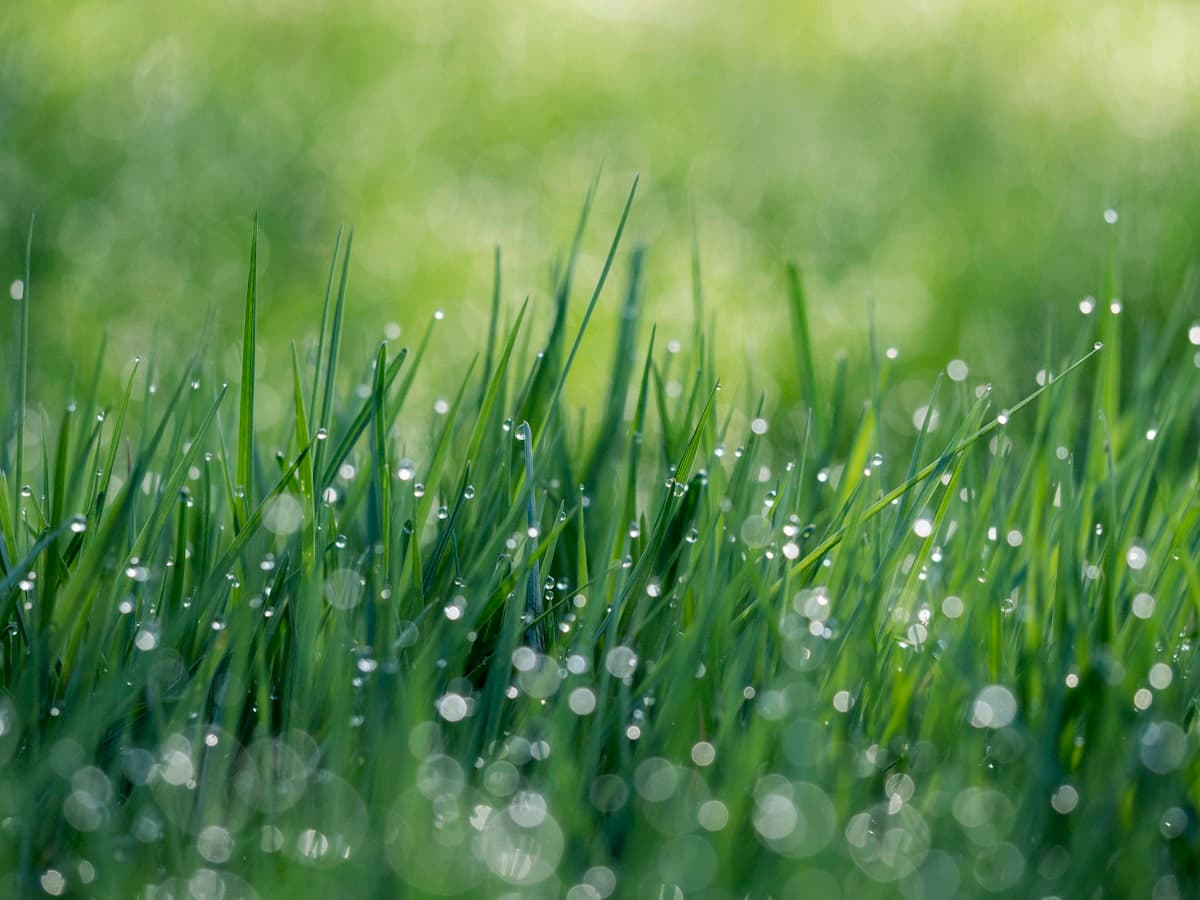
The Short Answer: Yes, But It Is Not Ideal
You can mow wet grass, but you should avoid it when possible. Wet grass clumps together, sticks to the mower deck, cuts unevenly, and can clog your mower. It also increases the risk of spreading fungal disease and can damage your lawn by tearing grass blades rather than cutting them cleanly. That said, Brisbane's wet season (December–March) means you sometimes have no choice — if it rains every day and the grass is growing fast, waiting for perfectly dry conditions means ending up with a jungle.
Why Mowing Wet Grass Is Problematic
- •Wet grass bends under its own weight, so the mower misses blades and leaves an uneven cut
- •Clippings clump together and smother the lawn underneath if not raked up
- •Wet clippings stick to the mower deck, reducing airflow and cut quality
- •Soil is soft when wet — mower wheels can leave ruts and compact the soil
- •Tearing wet grass (instead of clean cutting) creates entry points for fungal disease
- •Slipping risk on slopes — wet grass and hillsides are genuinely dangerous with a mower
When It Is Okay to Mow Damp Grass
There is a difference between damp and soaking wet. Damp grass (morning dew has lifted, no standing water, soil is firm underfoot) is fine to mow with a few adjustments. Soaking wet grass (after heavy rain, squelchy soil, standing water) should be left alone. In Brisbane's wet season, aim to mow in the late morning or early afternoon when the dew has dried but before afternoon storms hit. If the grass is growing out of control because of continuous rain, it is better to do a slightly rough mow than let it get so long that you need to cut off more than one-third of the blade, which stresses the grass.
Tips for Mowing in Wet Conditions
- 1
Raise the mowing height
Cut higher than normal when grass is damp. This puts less strain on the mower and reduces clumping. You can do a follow-up cut at normal height once conditions dry out.
- 2
Sharpen your blades
Sharp blades are always important, but crucial for wet grass. Dull blades tear rather than cut, leaving ragged edges that turn brown and invite disease. A sharp blade cuts cleanly even when the grass is damp.
- 3
Slow down your mowing speed
Walk slower than normal to allow the blade to cut each section thoroughly. Rushing through wet grass leads to missed patches and excessive clumping.
- 4
Clean the mower deck frequently
Stop every few minutes to scrape wet clippings off the underside of the mower deck. Built-up clippings reduce the cutting vacuum and make the problem worse as you go.
- 5
Rake up clumps
After mowing, go over the lawn and break up or rake any large clumps of clippings. Left in place, they smother the grass underneath and create dead patches within days.
Pro Tip
Spray the underside of your mower deck with a light coat of WD-40 or cooking oil spray before mowing wet grass. The clippings slide off much more easily and the deck stays cleaner throughout the mow.
General Mowing Tips for Brisbane Lawns
Regardless of whether the grass is wet or dry, these fundamentals apply: never remove more than one-third of the blade height in a single mow (this stresses the grass and promotes weed growth). Alternate your mowing direction each time to prevent grass from leaning in one direction and to reduce soil compaction. Keep blades sharp — sharpen or replace them at least once per season. Mow in the morning or late afternoon, never in the heat of the day when grass is already stressed. And leave clippings on the lawn when possible (mulching) — they return nitrogen to the soil and reduce the need for fertiliser.
Sick of wrestling with wet grass and a clogged mower? Let us handle the mowing year-round — rain or shine, we have the equipment and experience to get it right.
Get a Mowing Quote