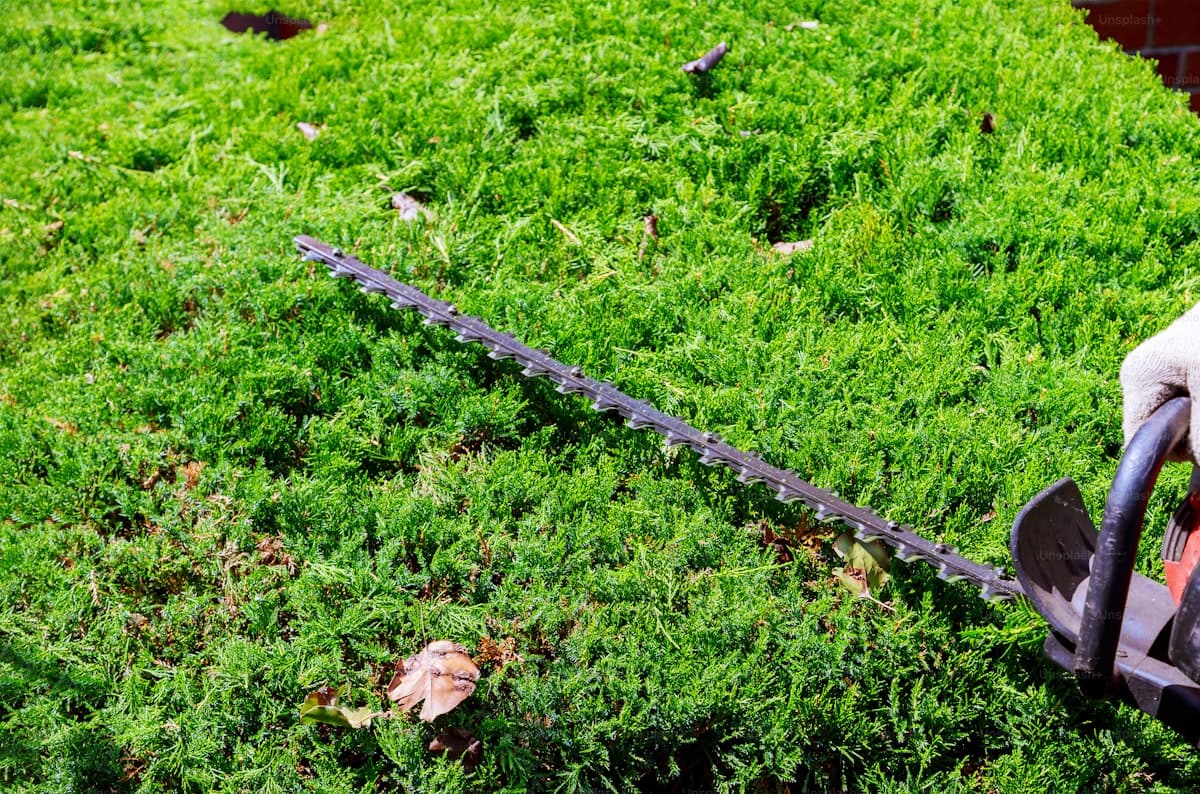
Why Regular Hedge Trimming Matters
Hedges are living walls — they need regular maintenance to stay dense, healthy, and attractive. Without trimming, hedges become leggy (bare at the base with growth only at the top), develop dead patches, and lose their shape. In Brisbane's subtropical climate, most hedges grow rapidly from September through April and need trimming every 6–8 weeks during this period. Regular trimming actually stimulates branching, making your hedge thicker and fuller over time.
Popular Brisbane Hedge Species
| Species | Growth Rate | Ideal Height | Trim Frequency | Notes |
|---|---|---|---|---|
| Lilly Pilly (Syzygium) | Fast | 1.5–4m | Every 6–8 weeks | Most popular Brisbane hedge — many varieties available |
| Murraya (Orange Jessamine) | Fast | 1–3m | Every 6–8 weeks | Fragrant white flowers, very dense |
| Photinia (Red Robin) | Medium-Fast | 2–4m | Every 8–10 weeks | New red growth, good screening |
| Viburnum | Medium | 1.5–3m | Every 8–12 weeks | Dense, good for shade, white flowers |
| Buxus (Box Hedge) | Slow | 0.5–1.5m | Every 10–12 weeks | Formal low hedging, needs good drainage |
| Podocarpus | Slow | 2–4m | Every 10–12 weeks | Conifer-like, very dense screening |
How to Trim a Hedge Properly
- 1
Start at the bottom and work up
Always trim the base of the hedge first, making it slightly wider than the top. This 'A-shape' or slight taper ensures sunlight reaches the lower branches, preventing them from going bare.
- 2
Use a string line for straight hedges
Stretch a string line at the desired height and along the face as a guide. This ensures a straight, even cut — freehand trimming almost always results in uneven sections.
- 3
Take small amounts off
Never cut more than one-third of the hedge's total volume at once. Drastic cutting stresses the plant and can cause dieback. For overgrown hedges, reduce gradually over 2–3 sessions spaced 6–8 weeks apart.
- 4
Use the right tool for the branch size
Hedge trimmers for small-leaved hedges (Buxus, Murraya). Hand secateurs for large-leaved hedges (Lilly Pilly, Viburnum) — power trimmers tear large leaves and leave brown edges. Loppers for branches thicker than a pencil.
- 5
Clean up and feed
Rake up all clippings (leaving them can promote fungal disease). Apply a general-purpose fertiliser after trimming to fuel regrowth. Water well if conditions are dry.
Pro Tip
For Lilly Pilly hedges, use hand secateurs or shears rather than electric hedge trimmers. Lilly Pilly has large leaves that get shredded by power trimmers, turning brown at the cut edges. Secateurs give a cleaner cut that heals neatly and keeps the hedge looking tidy.
When to Trim Hedges in Brisbane
The best times to trim hedges in Brisbane are mid-spring (October) after the last risk of frost, and late summer (February–March) to tidy up vigorous summer growth. Avoid heavy trimming in winter when most species are semi-dormant — cuts heal slowly and new growth may be damaged by cold snaps. Also avoid trimming during extreme heat (above 35°C) as it stresses the plant. Light shaping can be done at any time. For flowering hedges like Murraya, trim after the main flowering flush to avoid cutting off next season's flower buds.
Warning
Check for bird nests before trimming, especially during breeding season (August–January). It is illegal under Australian law to disturb nesting birds. If you find an active nest, postpone trimming that section until the chicks have fledged.
Overgrown hedges? Our team has the equipment and experience to restore even the most neglected hedges to a neat, healthy shape.
Get a Hedge Trimming Quote