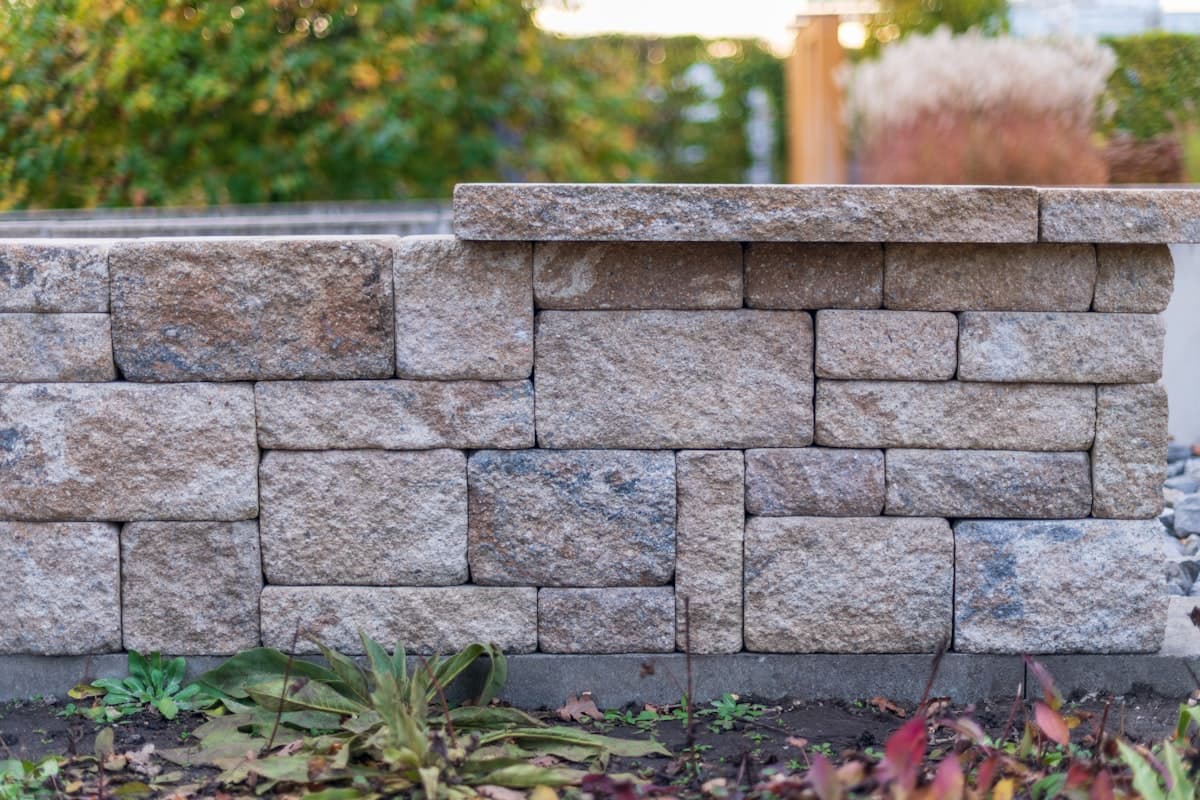
When Do You Need a Retaining Wall?
Brisbane is built on hilly terrain, and retaining walls are essential for managing slopes, preventing erosion, and creating usable flat areas in yards. You need a retaining wall whenever there is a change in ground level that could erode or collapse — even a difference of 300mm can cause problems over time as soil washes away during Brisbane's heavy summer storms. Retaining walls also create opportunities: a sloped yard becomes tiered garden beds, a usable patio area, or extra flat lawn space.
Warning
In Brisbane, retaining walls over 1 metre in height require a building approval from Brisbane City Council and must be engineered by a qualified structural engineer. Walls over 2 metres also need a development application. Never build a high wall without proper engineering — failure can cause property damage, injury, or liability issues.
Retaining Wall Materials Compared
| Material | Cost (per lineal metre) | Difficulty | Lifespan | Look |
|---|---|---|---|---|
| Concrete Sleepers | $80–150 | Medium — heavy but simple | 50+ years | Modern, clean lines |
| Timber Sleepers (Hardwood) | $50–100 | Easy — lightest option | 15–25 years | Natural, rustic |
| Concrete Blocks (Besser) | $60–120 | Medium — needs cutting | 50+ years | Can be rendered or painted |
| Natural Stone | $150–300+ | Hard — needs skill | 100+ years | Premium, natural |
| Gabion Baskets (rock-filled wire) | $100–200 | Easy — stack and fill | 30+ years | Industrial-modern |
How to Build a Small Timber Sleeper Wall (Under 1m)
- 1
Plan and mark out the wall line
Use a string line and stakes to mark where the wall will go. Check the height at multiple points — slopes are rarely even. Allow for a 100mm gravel base below ground level.
- 2
Dig the footing trench
Dig a trench along the wall line, 300mm wide and deep enough to bury the first sleeper by at least 100mm. Compact the base with a hand tamper or plate compactor.
- 3
Lay drainage gravel and aggi pipe
Place 50mm of 20mm drainage gravel in the base of the trench. Lay 100mm agricultural (aggi) pipe along the back of where the wall will sit, sloping to a discharge point. This is critical in Brisbane — poor drainage is the number one cause of retaining wall failure.
- 4
Set the first row of sleepers
Place the first sleepers in the trench on the gravel bed. Use a spirit level to ensure they are level. Drive 600mm galvanised steel star pickets behind each sleeper (one every 1.2m) for stability.
- 5
Stack and secure additional rows
Stack sleepers on top, offsetting joints (like brickwork) for strength. Drill and bolt through to the row below using 12mm galvanised coach bolts at 600mm intervals. Maximum 3 rows (approximately 600mm exposed height) for a DIY timber wall.
- 6
Backfill with drainage gravel
Fill behind the wall with 20mm drainage gravel to at least 200mm thickness. Lay geotextile fabric (filter cloth) between the gravel and the soil to prevent soil clogging the drainage. Then backfill with soil and compact in layers.
Pro Tip
Always build retaining walls with the drainage sorted first. In Brisbane, we get intense summer downpours that dump 50–100mm of rain in an hour. Without proper drainage behind the wall, water pressure (hydrostatic pressure) builds up and will eventually push the wall over — no matter how strong the materials are.
Common Retaining Wall Mistakes
- •No drainage behind the wall — the single most common cause of failure
- •Building too high without engineering — walls over 1m need professional design
- •Using treated pine (CCA) sleepers in ground contact — they rot within 10 years in Brisbane's climate. Use hardwood (ironbark, spotted gum) or concrete
- •Not compacting the footing — the wall settles unevenly and cracks
- •Ignoring council requirements — unapproved walls can result in fines and mandatory removal
- •Not accounting for surcharge loads — if a driveway, shed, or vehicle will be above the wall, it needs engineering regardless of height
Need green waste or old wall materials removed? We handle rubbish removal so you can focus on the build.
Get a Rubbish Removal Quote