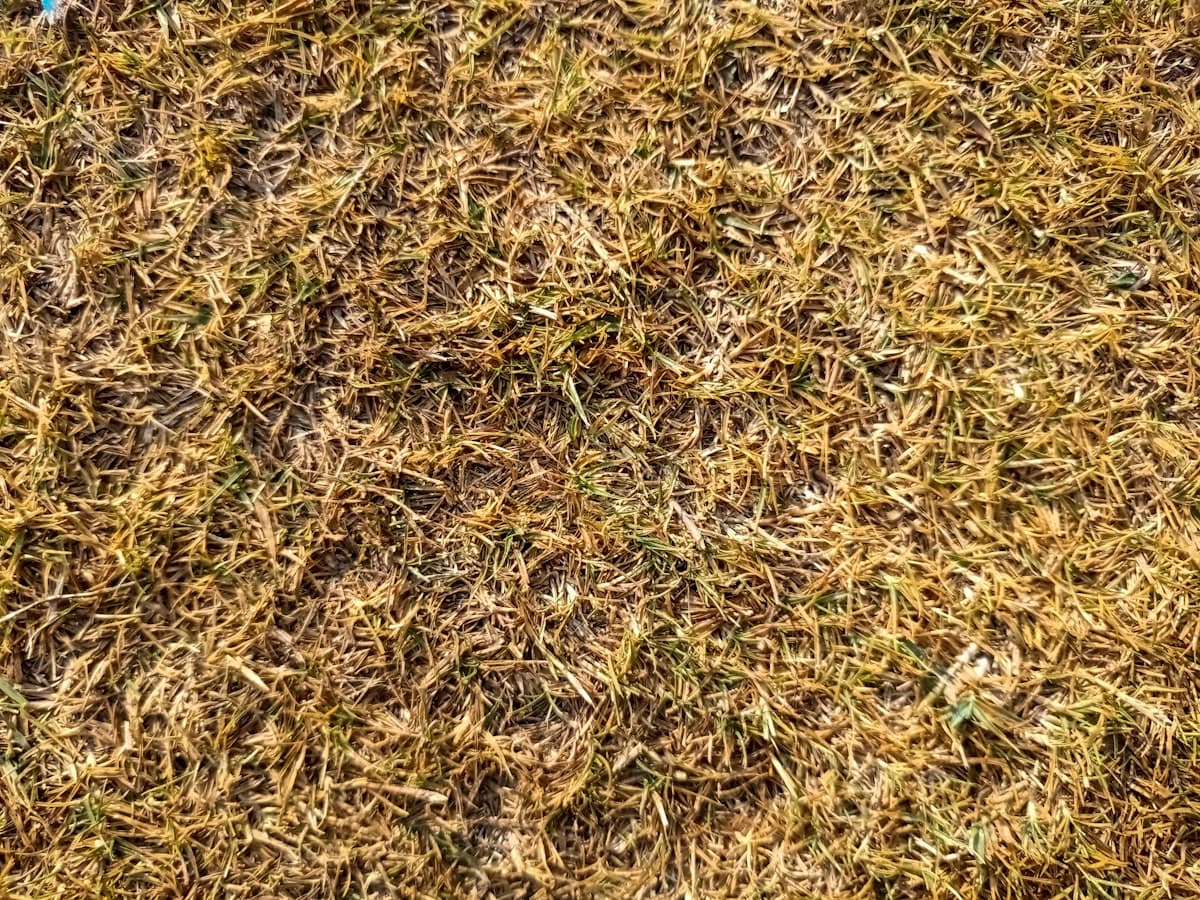
Signs You Have Lawn Grubs
Lawn grubs are the larvae of moths and beetles that feed on grass roots and stems, causing brown patches that seem to appear overnight. The telltale signs include: irregular brown or dead patches that expand over days, grass that peels back like carpet (the roots have been eaten), increased bird activity on your lawn (birds love eating grubs), and moths flying up from the lawn at dusk. In Brisbane, grub damage is most common from November through March when warm, humid conditions are ideal for egg-laying and larval growth.
Common Lawn Grubs in Brisbane
| Grub Type | What It Looks Like | Damage Pattern | Active Season |
|---|---|---|---|
| Army Worm | Smooth green-brown caterpillar, 30–40mm | Eats grass blades — leaves look chewed, lawn thins quickly | Nov–Mar, worst after rain |
| Curl Grub | White C-shaped grub, brown head, 20–30mm | Eats roots — grass lifts away from soil, spongy feel | Oct–Apr, found in soil |
| Sod Webworm | Small grey-green caterpillar, 15–20mm, in silk tunnels | Small irregular patches of chewed grass | Dec–Mar, feeds at night |
The Bucket Test: Confirm Before You Treat
Before spending money on pesticides, confirm that grubs are actually the problem. Mix a tablespoon of dishwashing liquid in a bucket of water and pour it over a 1m² area at the edge of a brown patch. Within 10 minutes, grubs will come to the surface to escape the soapy water. If you find more than 5 grubs per square metre, treatment is warranted. Fewer than that and the lawn can usually cope on its own.
How to Treat Lawn Grubs
- 1
Identify the grub type
Use the bucket test and the comparison table above to determine which grub you are dealing with. Army worms and sod webworms feed on leaf blades (surface damage), while curl grubs eat roots (sub-surface damage).
- 2
Choose the right product
Acelepryn GR (granular) is the gold standard — it controls all three grub types, is low-toxicity to humans and pets, and provides up to 6 months of protection. Apply in early November as a preventative. For an active infestation, use Yates Grub Kill & Protect or Lawn Solutions Grub Guard for faster knockdown.
- 3
Apply in the late afternoon
Grubs are most active at night, so apply treatment in the late afternoon or evening. This ensures the product is in place when grubs surface to feed.
- 4
Water in thoroughly
After applying granular treatments, water the lawn with at least 5–10mm of water to wash the product into the soil where grubs live. Without watering in, the product sits on the surface and is far less effective.
- 5
Monitor and re-treat if needed
Check the treated area after 7–14 days with another bucket test. If grubs persist, a second application may be needed. For severe infestations, recovery can take 4–8 weeks as the grass regrows.
Pro Tip
Prevention is far easier than cure. Apply Acelepryn GR once in early November (start of grub season in Brisbane) and you are protected for most of the summer. One $60–80 bag covers the average suburban lawn and saves you from costly re-turfing later.
How to Prevent Lawn Grubs
- •Maintain a healthy, thick lawn — grubs do more damage to stressed or thin turf
- •Apply preventative treatment (Acelepryn) in early November before grubs hatch
- •Do not over-water at night — moths are attracted to damp lawns for egg-laying
- •Encourage natural predators: birds, parasitic wasps, and beneficial nematodes
- •Fertilise regularly to help grass recover quickly from minor grub damage
- •Mow at the correct height for your grass type — scalped lawns are more vulnerable
Seeing brown patches in your lawn? We can diagnose the cause and recommend the right treatment — no guesswork.
Book a Lawn Assessment